
REVIEW · FAMAGUSTA & VAROSHA TOURS
Famagusta and Salamis or Ghosttown with a private guide
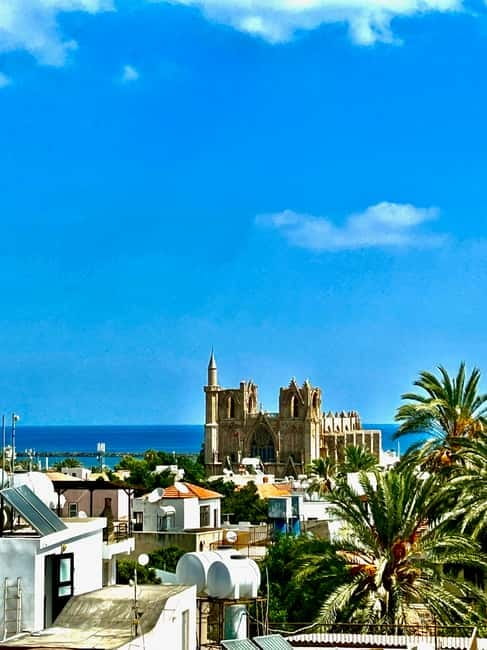
History gets personal in Famagusta. This six-hour private outing brings you into Famagusta’s walled old city, then lets you choose between the Roman ruins of Salamis and the abandoned district of Varosha. I like the small group size, limited to four people, and I like the chance to discuss Cyprus beyond the usual postcard sights with guide Jürgen, who has also shared useful tavern and café tips. The main consideration is that the schedule can feel full, especially if you want time for both the old city and a major archaeological site.
The tour is priced at $234 per person, with hotel pickup, drop-off, and Salamis entry included when that option is chosen. Food is not included, and the experience is not recommended for children under 14 or people with mobility impairments. Comfortable shoes and a hat will make the day easier.
In This Review
- Key points to know before booking
- Why Famagusta makes a strong first stop
- Inside Lala Mustafa Pasha Mosque
- Walking Famagusta’s medieval streets
- Salamis: Roman ruins by the coast
- Varosha: a difficult modern history stop
- The guide makes the difference
- How the six-hour format works for you
- Is $234 per person good value?
- Who should book this experience?
- Should you book Famagusta, Salamis, or Varosha?
- FAQ
- How long does the tour last?
- What locations are included?
- Can I visit both Salamis and Varosha?
- Is hotel pickup included?
- How many people can join the tour?
- What languages are offered?
- Is food included?
- Is entry to Salamis included?
- What should I bring?
- Is the tour suitable for children?
- Is the tour suitable for people with mobility impairments?
- What happens after I book?
Key points to know before booking
- Choose between Salamis and Varosha: The tour includes Famagusta, plus either the ancient city of Salamis or Varosha Ghost Town.
- A genuinely small private group: With a maximum of four participants, you can ask questions and request a slower or more focused visit.
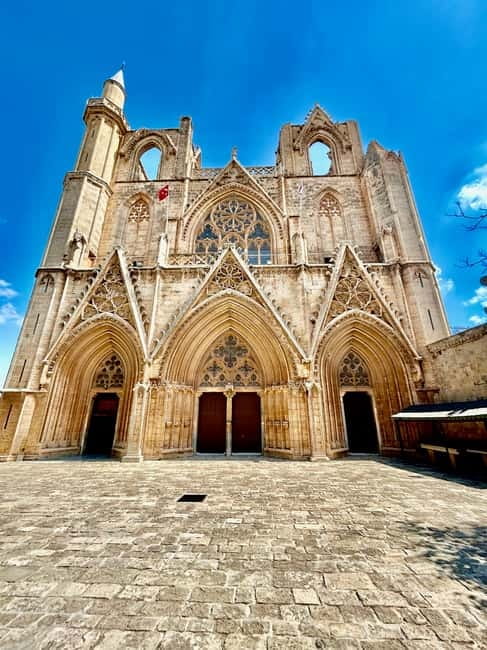
- Lala Mustafa Pasha Mosque is the visual centerpiece: The former Cathedral of Saint Nicholas has striking Gothic details and a memorable change of use.
- Jürgen’s flexible guiding is a major strength: He has adjusted routes to suit interests and once extended a tour by about two hours.
- Expect serious Cyprus context: The tour connects ancient ruins with the island’s divided modern history, especially around Varosha.
- Bring official identification: A passport or ID card is required, along with practical walking gear.
Why Famagusta makes a strong first stop
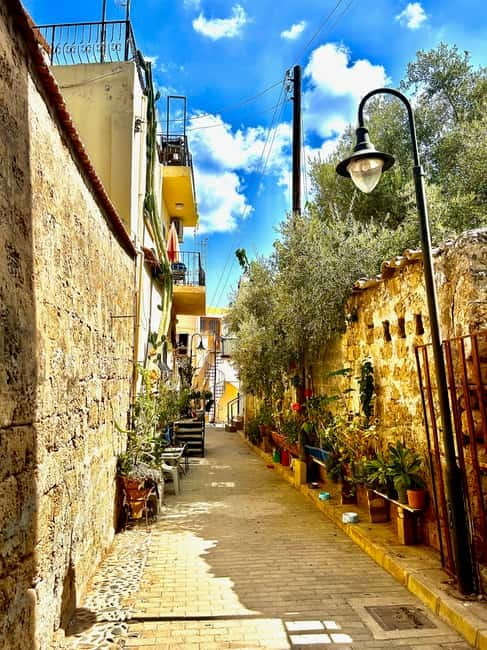
Famagusta is not just a pretty old town with a few old walls. Its compact center brings together Gothic church architecture, Ottoman-era changes, narrow streets, shops, cafés, and layers of political history. You can cover a lot on foot, but the meaning of what you see improves greatly when someone explains how the pieces fit together.
The old city was once known as the City of 365 Churches. You will not see 365 intact churches today, of course, but the nickname gives you an idea of how important Famagusta once was. Ruined religious buildings appear among ordinary streets, modern businesses, and remaining sections of the medieval fortifications.
I like this part of the tour because it does not treat history as a museum display. You move through a living town. A narrow lane may lead to a quiet stone building, then open toward a café or a small shop. That contrast helps you understand that Famagusta is not preserved in a single frozen period.
The private format matters here. In a large group, you might get a quick explanation and move on. With up to four people, you can stop to ask why a building changed function, how the city developed, or what daily life is like in Cyprus today. Jürgen’s ability to discuss the island’s society and the Cyprus conflict adds value for anyone who wants more than dates and architectural labels.
More Famagusta and Varosha visits:
- East Coast National Park: Half-Day Caves Jeep Safari
★ 4.6 · 1,090 reviews - Stardust Variety Dinner Show
★ 5.0 · 822 reviews - Ayia Napa/Protaras/Larnaka: Famagusta and Salamis Day Trip
★ 4.7 · 559 reviews
Inside Lala Mustafa Pasha Mosque
The Lala Mustafa Pasha Mosque is likely to be the most memorable building in the old city. It was originally the Cathedral of Saint Nicholas, a Gothic church with a design often compared to Paris’s Notre-Dame. Its present use reflects the many political, religious, and cultural changes that shaped Famagusta.
Look closely at the exterior details and the overall church-like form. The building is a useful reminder that architecture can outlast the power structure that created it. Inside, the changes are just as important as the surviving Gothic features. The building’s current identity is Ottoman and Islamic, while its structure points to a different religious past.
I appreciate this stop because it avoids a simple good-versus-bad story. You see a major Christian cathedral that became a mosque, but you also see how buildings are reused rather than erased. Your guide can explain the transition in a way that connects the monument to the wider story of Cyprus.
Dress and behavior should be respectful because this is an active religious site. The supplied information does not specify a formal dress code, so ask your guide if you are unsure. As with the rest of the tour, comfortable footwear helps because the day includes walking over historic surfaces.
Walking Famagusta’s medieval streets
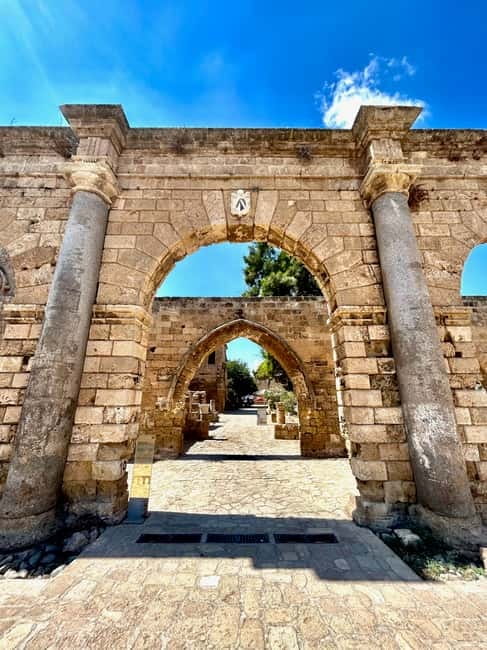
The old city is best approached at a relaxed pace. You will pass narrow lanes, older stone structures, and more recent shops and restaurants. Some buildings are polished and in use, while others show age, damage, or long periods of neglect.
That uneven condition is part of the experience. Famagusta is not a perfectly restored stage set. Its worn surfaces and mixed uses give you a more honest sense of a city that has passed through several eras. I would allow time to look up at doorways, walls, and church remains rather than rushing from one named sight to the next.
The tour is also a good fit if you prefer conversation to a recorded audio guide. Jürgen has been praised for answering many questions and explaining subjects that do not always appear in standard guidebooks. His advice about local taverns and cafés can also help you continue exploring after the formal tour ends, although meals are not part of the price.
One useful detail is the tour’s flexible style. One group had a route that ran about two hours longer than planned, while another praised Jürgen for adapting the day to a participant’s mobility needs. That does not cancel the official warning that the tour is unsuitable for people with mobility impairments, but it does suggest that you should discuss your needs before booking rather than assume the route can be fully adapted.
Salamis: Roman ruins by the coast
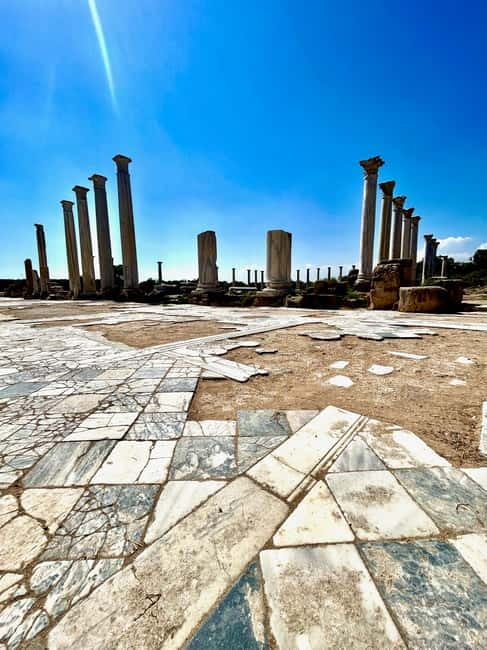
If you choose Salamis, the second half of the day shifts from medieval Famagusta to a much older setting. The ancient city lies only a few kilometers from Famagusta and contains substantial Roman remains. This is the better choice if you want archaeology, large ruins, and a clear picture of public life in the ancient world.
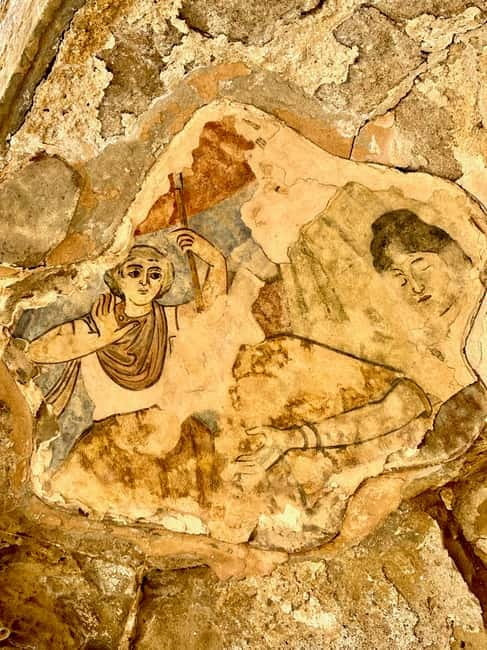
The amphitheater is one of the major sights. Its scale helps you picture Salamis as an organized city with public entertainment and civic life, rather than just a collection of broken stones. The surviving mosaics add smaller details and patterns that reward a slower look.
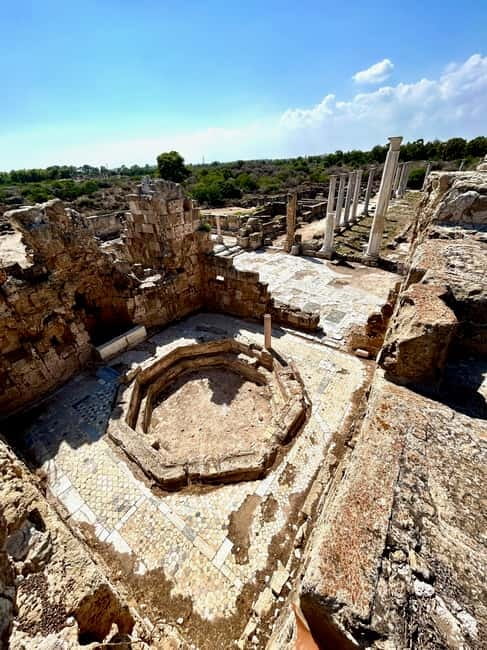
The Roman baths provide another strong section of the visit. You can see the areas associated with the Sudatorium, or warm bath, the Caldarium, or steam bath, and the Frigidarium, or cold bath. These spaces show how bathing was tied to social life and city design. Even if you are not an archaeology specialist, the sequence gives the ruins a practical human dimension.
Salamis is spread out, so you should expect walking and uneven ground. The tour information specifically recommends comfortable shoes and a hat. There is no included food, so plan around the six-hour duration and ask about the day’s meal arrangements if that matters to you.
I would choose Salamis if this is your first visit to the Famagusta area and you want a classic ancient site. It gives the tour a broad time span, from the Roman period through the medieval city and into modern Cyprus. It also includes entry tickets, which makes the quoted price easier to assess.
A few more Famagusta & Varosha trips worth putting side by side
- Nicosia, private tour, Old Town greek and turkish side
★ 4.6 · 10 reviews - FAMAGUSTA & NICOSIA Private Tour from Kyrenia
★ 5.0 · 7 reviews - Private Discovery Dive + Photos & Videos
★ 5.0 · 577 reviews - Private Diving at Zenobia Wreck in Larnaka
★ 5.0 · 369 reviews
Varosha: a difficult modern history stop
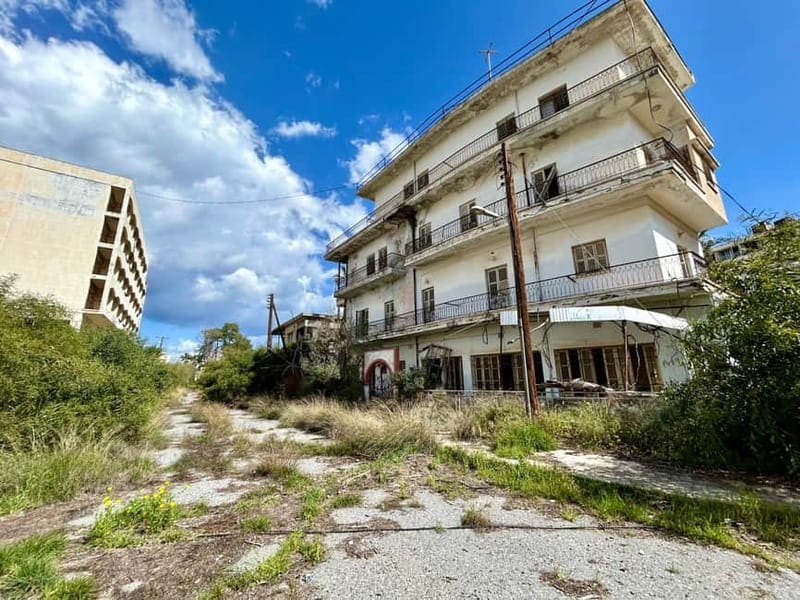
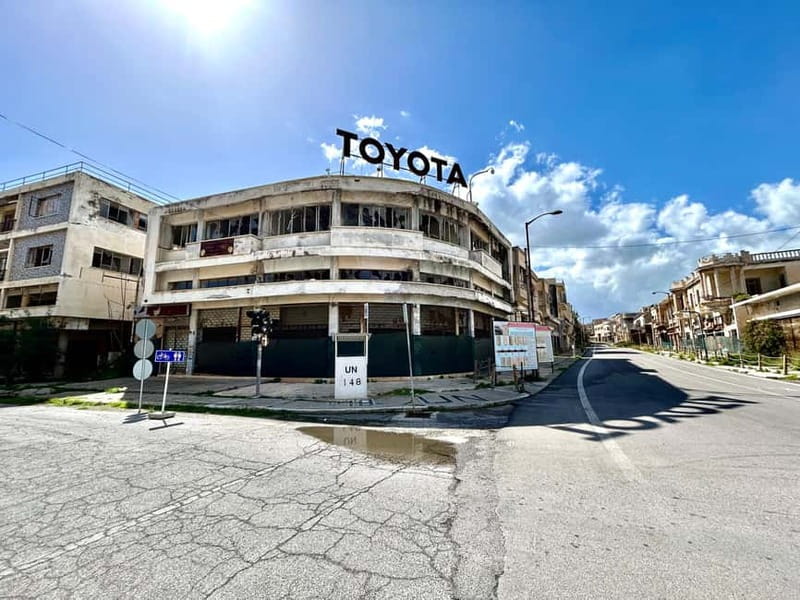
The alternative to Salamis is Varosha Ghost Town. This is not a conventional sightseeing stop. The district was abandoned in 1974 and remains a stark reminder of Cyprus’s recent division. Buildings and streets connected to an earlier era are presented not as a restored attraction, but as a place shaped by departure and political tension.
I would choose Varosha if modern history matters more to you than Roman archaeology. It can be the more emotionally difficult option, since the interest comes from what happened to the area and what its abandonment represents. You should approach it with respect and patience, not as a novelty photo stop.
A private guide is especially useful here because the setting needs context. Jürgen has been praised for discussing both the Cyprus conflict and everyday life on the island. That kind of conversation can help you understand why Varosha remains sensitive and why a visit requires more thought than simply checking off an attraction.
The supplied details do not specify every access rule or exactly how long you spend inside Varosha. Ask for the current route when booking. The area and access conditions can matter, and your guide’s message the day before should provide the exact plan, car details, guide name, and pickup time.
The guide makes the difference
Jürgen receives the strongest praise attached to this experience. His guiding style appears warm, flexible, and conversational. He has been thanked for explaining ancient history in an engaging way, answering a long list of questions, and discussing Cyprus’s society in terms that connect the past with the present.
That is important on this particular route. Famagusta, Salamis, and Varosha do not naturally form one simple story. You need help moving from Gothic architecture to Roman baths, then from ancient city life to a divided modern island. A guide who can handle those shifts is worth more than someone who simply points out the next monument.
The private setup also gives Jürgen room to respond to your interests. If you want architecture, he can focus on churches and medieval buildings. If you prefer archaeology, Salamis offers a larger share of the day. If your main interest is Cyprus’s recent history, Varosha and the political background may deserve more attention.
A note of caution: the product information lists English and German as the guiding languages. Make sure your preferred language is available for your date. The recent feedback is especially strong from German-speaking participants, but English is also listed.
How the six-hour format works for you
Six hours is long enough to reach the main sights without turning the day into a full-day expedition. Hotel pickup and drop-off remove the need to arrange transport, which is useful when you are staying in the Nicosia District or another listed pickup area.
The exact starting time depends on availability. A WhatsApp message is sent the day before with the guide’s name, vehicle information, exact pickup time, and other final details. That is a practical touch. Keep your phone available and check the message so you know who to expect.
The private group limit of four is one of the clearest advantages. You are not waiting for a busload of people to gather, and you can speak up when a building catches your eye. The small group also makes the outing feel more like a guided day with a local specialist than a standard sightseeing circuit.
Still, six hours requires choices. If you spend a long time in the old city, Salamis or Varosha may receive less time. If you want a leisurely meal, shopping, and detailed visits at every ruin, the schedule may feel compressed. The strongest approach is to decide in advance which theme matters most to you.
Is $234 per person good value?
At $234 per person, this is not a budget excursion. But the figure includes hotel pickup and drop-off, a private guide, and a group capped at four people. Salamis entry is also included when you select the Salamis option. For two people, you are effectively paying for a private vehicle and guide rather than buying four separate seats on a large coach.
The value improves if you care about explanation and flexibility. A standard group trip may show you the same headline sights, but it may not give you time for detailed questions about the Cyprus conflict, religious buildings, or local life. Jürgen’s reported willingness to extend the tour and adjust the pace adds practical value, though you should not assume every departure will run two hours over.
The price is less attractive if you mainly want transport and quick photographs. Food is not included, and the tour does not promise both Salamis and Varosha. Confirm which option you are booking, since the ancient ruins and ghost town offer very different experiences.
For a couple, family group, or set of friends who can share the private format, I think the cost is easier to justify. Solo participants may find it harder to see the same value unless personal guiding and deeper discussion are the main priorities.
Who should book this experience?
I would recommend this tour to adults who want a serious look at northern Cyprus’s ancient, medieval, and modern past in one day. It suits people who prefer a small group, ask plenty of questions, and value a guide who can explain context rather than recite a script.
Choose Salamis if you enjoy Roman sites, amphitheaters, mosaics, and baths. Choose Varosha if the Cyprus conflict and recent political history are central to your interests. Famagusta’s old town comes with either choice.
This is not the best match for young children, since participants under 14 are excluded. It is also a poor fit for anyone who struggles with walking or uneven historic ground. The route can be flexible, but the official conditions clearly warn people with mobility impairments away from the activity.
Wear comfortable shoes and a hat. Bring your passport or ID card. Do not count on a meal being supplied, and use the day-before WhatsApp message to confirm the pickup details.
Should you book Famagusta, Salamis, or Varosha?
Book it if you want personal guiding, strong historical context, and a flexible small-group day rather than a quick checklist tour. The combination of Famagusta’s old city and either Salamis or Varosha gives you a useful view across several periods of Cyprus history.
I would choose Salamis for archaeology and Varosha for modern history. If you cannot decide, ask Sancytours LTD which option best fits your interests before paying. The main reason to book is Jürgen’s reported warmth and flexibility. The main reason to hesitate is the price, plus the fact that food is extra and the six-hour schedule cannot give every stop unlimited time.
For adults who want to understand how Cyprus’s ancient ruins, religious buildings, and recent divisions connect, this is a strong choice.
FAQ
How long does the tour last?
The scheduled duration is six hours.
What locations are included?
The tour includes Famagusta Old Town and a choice between the ancient city of Salamis or Varosha Ghost Town.
Can I visit both Salamis and Varosha?
The supplied tour details describe Salamis and Varosha as alternatives. Confirm the exact combination available for your booking.
Is hotel pickup included?
Yes. Hotel pickup and drop-off are included.
How many people can join the tour?
The group is limited to four participants.
What languages are offered?
The live guide is available in English or German.
Is food included?
No. Food is not included in the tour price.
Is entry to Salamis included?
Yes, entry tickets to Salamis are included when the Salamis option is selected.
What should I bring?
Bring a passport or ID card, comfortable shoes, and a hat.
Is the tour suitable for children?
No. The activity is not suitable for children under 14 years old.
Is the tour suitable for people with mobility impairments?
The official information says it is not suitable for people with mobility impairments. If you have specific concerns, contact the provider before booking.
What happens after I book?
A WhatsApp message is sent the day before with final details, including the guide’s name, the vehicle, and the exact pickup time.
Recently added from Famagusta & Varosha
- Famagusta Ghost Town & Varosha Insightful★ 5.0 · 2 reviews
- From Ayia Napa: Famagusta City Tour with Salamis and Varosha★ 5.0 · 11 reviews
- Famagusta and Blue Lagoon Jeep Safari from Protaras★ 4.5 · 14 reviews
- Discover Famagusta from Paphos★ 5.0 · 5 reviews
- From Nicosia and Kyrenia: Famagusta & Kyrenia as Circular Tour★ 5.0 · 12 reviews
- Full Day Tour in Famagusta: The Ghost City★ 5.0 · 11 reviews
- Kyrenia and Famagusta Tour (Kyrenia/ Nicosia/ Famagusta Hotels)★ 5.0 · 4 reviews
- FAMAGUSTA & NICOSIA Private Tour from Kyrenia★ 5.0 · 7 reviews
Famagusta & Varosha Tours, compared.
East Coast National Park: Half-Day Caves Jeep Safari
Read our review →
Ayia Napa/Protaras/Larnaka: Famagusta and Salamis Day Trip
Read our review →
From Ayia Napa/Protaras/Larnaca: Paphos and Kourion Day Trip
Read our review →
Famagusta, Blue Lagoon and Turtle Cove Boat Trip
Read our review →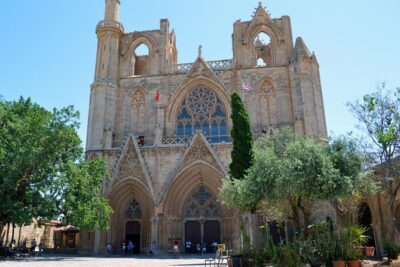
Ghost-Town Famagusta Mini Bus Tour from Protaras and Ayia Napa
Read our review →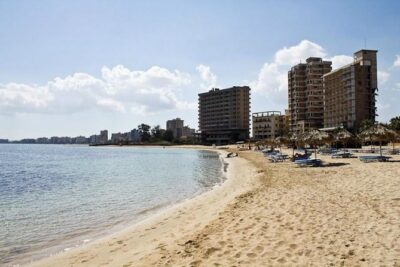
Full-day Famagusta: Lost Cities & Coastal Secrets from Paphos
Read our review →
Choirokitia & Famagusta Guided Tour with Transfers
Read our review →Browse the lists this tour appears in